
Why Semiconductor Cleanrooms Fail at the M&E Interface — Before Production Even Starts
JIULIAN Electromechanical supports semiconductor facilities in Malaysia with practical cleanroom, electrical, HVAC, utility and equipment interface coordination. The objective is not merely to complete individual installations, but to keep the complete facility ready for commissioning and production.
Discuss Your Project View Semiconductor Facility Support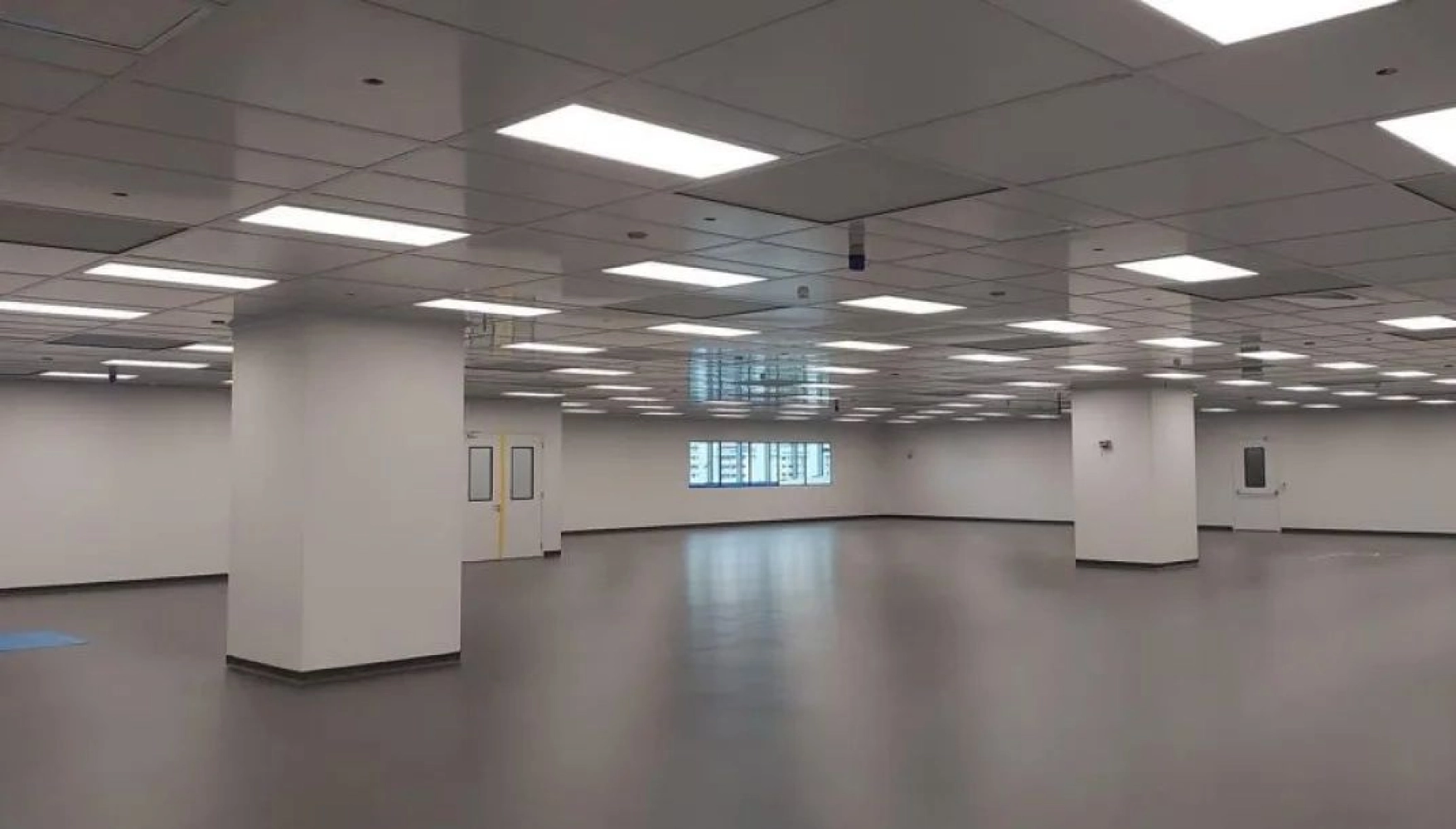
The Most Expensive Problems Often Appear at Handover
A semiconductor cleanroom may look complete from the outside. Wall panels are installed, flooring is finished, lights are operating and production machines may already be scheduled for move-in. However, visual completion does not mean the facility is ready for equipment installation, testing or production.
An uncoordinated cable penetration can affect room integrity. A revised machine heat load can change the cooling requirement. A cable tray installed too close to an access panel can prevent future maintenance. A power point shown as complete on a drawing may still lack the correct termination, protection, earthing or energisation arrangement.
These issues become expensive because they are discovered after ceilings, walls or controlled areas have already been completed. Rectification may require reopening finished work, rescheduling several trades and repeating cleaning or testing activities.
Typical Handover Risks
- Machine power is not ready on the planned move-in date.
- Cable trays clash with ductwork or access panels.
- Late penetrations require cleanroom wall or ceiling repairs.
- Equipment heat loads exceed the original HVAC assumption.
- Testing starts while other trades are still modifying the room.
The Problem Is Usually Not One System
Most semiconductor cleanroom delays are not caused by one obvious installation failure. They happen when every contractor completes its own scope without fully coordinating the points where those scopes meet.
The cleanroom contractor may focus on panels and ceiling closure. The electrical contractor may focus on cabling and distribution. The HVAC team may work from an earlier equipment layout. The machine supplier may provide final utility information only shortly before delivery.
Each scope can appear correct on its own while the combined system remains incomplete. This is why interface ownership must be clear before work begins.
Ceiling Closure
Ceiling installation progresses before cable routes, air terminals, access panels and penetrations are fully confirmed.
Equipment Changes
Machine position, utility demand or heat load changes after HVAC and electrical routes have already been installed.
Undefined Boundaries
Facility and machine-supplier responsibilities are unclear at the final cable, piping, exhaust or control connection.
Late Testing
Commissioning is scheduled before outstanding modifications and cross-trade interface work have been completed.
What Must Be Coordinated Before Installation Starts?
A semiconductor cleanroom and M&E contractor should review the physical layout, service routes, equipment information, work sequence and testing requirements together. The following interface points have the greatest influence on site progress and handover readiness.
1. Ceiling and Service-Zone Coordination
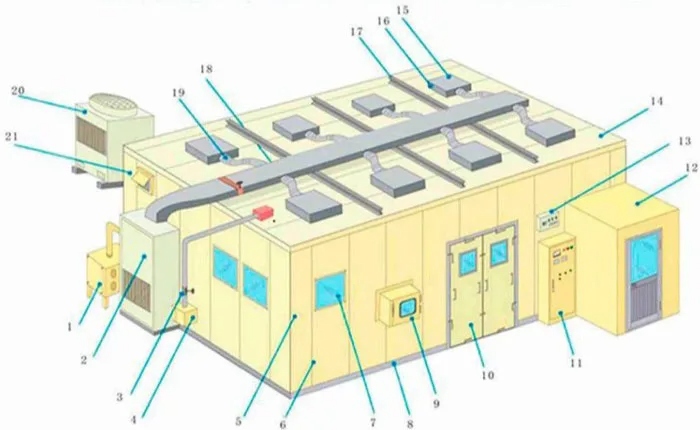
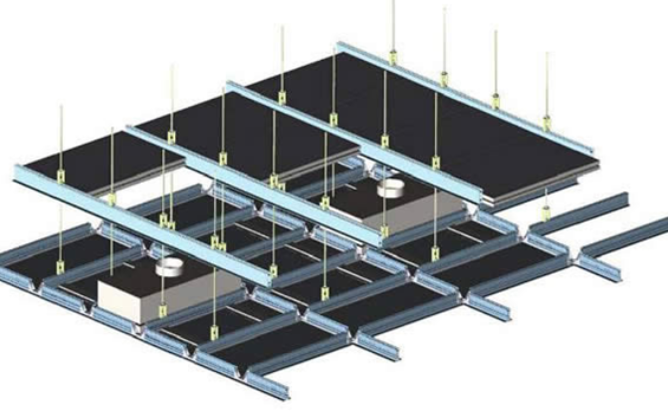
The ceiling zone may contain FFUs or HEPA terminals, return-air paths, lighting, cable trays, conduits, fire protection, controls, access panels and structural suspension systems.
The correct question is not simply whether each item can fit. The team must confirm whether every item can be installed, supported, accessed, maintained and replaced without disturbing another critical system.
2. Electrical Readiness for Equipment Hook-Up
A cable reaching a machine location does not automatically mean the power connection is ready. The power source, breaker rating, cable size, containment, termination, isolator, earthing and energisation sequence must all match the final machine requirement.
The project should also define where the facility contractor's responsibility ends and where the machine supplier's connection scope begins.
3. HVAC Capacity and Heat-Load Changes
Equipment quantities, machine operating modes, lighting and personnel loads can affect sensible heat, airflow and temperature stability. Even a late layout change can alter the air-distribution pattern around production equipment.
Electrical, cleanroom and HVAC decisions should therefore be reviewed together instead of being released as unrelated packages.
4. Penetrations, Openings and Final Sealing
Openings for cables, pipes, conduits, exhaust and process utilities should be identified before the room envelope is completed.
Controlled penetration planning reduces patching, protects cleanability and prevents repeated access into areas that have already entered final cleaning or commissioning stages.
What Information Should Be Confirmed for Machine Hook-Up?
Machine hook-up is more than connecting electrical power. Semiconductor production equipment may require compressed dry air, vacuum, process cooling water, exhaust, drainage, controls and other process utilities. Planning should begin before the equipment reaches the factory.
| Interface Item | Information to Confirm | Risk if Confirmed Late |
|---|---|---|
| Electrical supply | Voltage, phase, load, breaker rating, cable size, isolator, termination and earthing. | Replaced cables, panel modification, delayed energisation or unsuitable protection. |
| Cable containment | Tray route, elevation, support, separation, bend radius and maintenance access. | Clashes with ductwork, ceiling devices, piping or access zones. |
| HVAC and heat load | Machine heat output, operating schedule, airflow obstruction and room-temperature requirement. | Unstable temperature, insufficient cooling or airflow imbalance. |
| Process utilities | CDA, vacuum, PCW, cooling water, gas, exhaust, drainage and connection sizes. | Utility rerouting, machine waiting time or insufficient capacity. |
| Interface ownership | Facility-side endpoint, machine-side endpoint, testing scope and responsible party. | Scope disputes and incomplete connections during commissioning. |
| Schedule | Delivery, positioning, hook-up, energisation, testing and production dates. | Several contractors working in the same area without a workable sequence. |
JIULIAN provides related process utilities and machine facilities hook-up support for projects that require electrical, piping, exhaust, utility routing and facility modification to be coordinated under one execution plan.
Why Retrofit and Expansion Projects Need Faster Decisions
New-build projects normally provide more space and more time for coordination. Existing semiconductor factories have different constraints: live production, limited ceiling space, controlled access, shutdown restrictions and existing utilities that may not match the new equipment requirement.
In these projects, the contractor must verify actual site conditions instead of relying only on old drawings. Existing cable trays may be full, spare panel capacity may be limited and planned utility routes may pass through operational areas.
A practical retrofit plan should identify what can be prefabricated, which work requires shutdown, how completed clean areas will be protected and which activities can proceed in parallel without increasing contamination or safety risk.
- Verify existing routes, elevations and available space on site.
- Check electrical and utility capacity before confirming the layout.
- Separate shutdown work from activities that can be completed earlier.
- Plan dust, access and material-control measures for active areas.
- Confirm how new services will connect to existing systems.
A Better Work Sequence for Semiconductor Cleanroom Projects
The most effective way to reduce rework is to release construction in controlled stages. Each stage should have a clear coordination checkpoint before the next layer of work closes access to the previous one.
Before Installation
Confirm the cleanroom layout, equipment locations, utility demand, HVAC assumptions, M&E routes, access and construction sequence.
Before Ceiling Closure
Verify cable trays, ductwork, ceiling devices, supports, access panels, penetrations and maintenance clearances.
Before Machine Arrival
Confirm equipment position, utility endpoints, power readiness, delivery access, termination scope and energisation plan.
Before Handover
Close outstanding interfaces, inspect final sealing, verify labels, complete testing and ensure no late work will reopen the room.
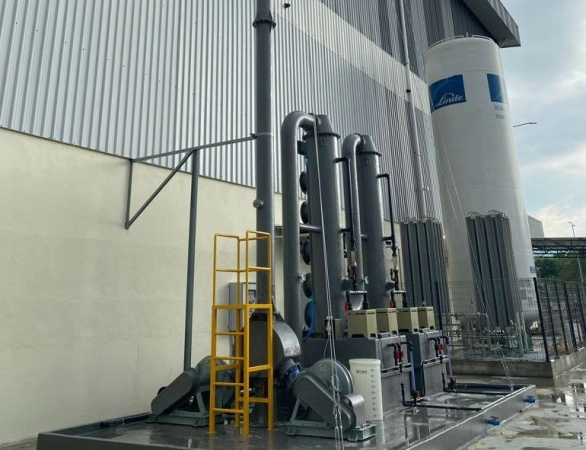
Scrubber, Exhaust and External Facility Interfaces
Some semiconductor processes require exhaust routing and treatment systems outside the cleanroom envelope. These systems introduce additional interface points involving duct routes, roof or wall penetrations, equipment bases, drainage, electrical supply, control wiring and maintenance clearance.
Confirming the scrubber location too late can create long exhaust routes, unsuitable access or conflicts with existing external services. The internal machine connection and external treatment system should therefore be reviewed as one complete flow path.
For multidisciplinary industrial projects, JIULIAN can also coordinate relevant mechanical system services with cleanroom and electrical requirements.
How JIULIAN Supports Practical Cleanroom and M&E Coordination
JIULIAN Electromechanical supports semiconductor, manufacturing and industrial facility projects where cleanroom, electrical, mechanical, utility and equipment requirements must be coordinated for actual site execution.
The value is not a generic one-stop-service claim. The focus is on reviewing real site conditions, clarifying interface responsibilities and helping the project team complete work in a sequence that supports equipment installation and production readiness.
Site-Based Coordination
Review actual ceiling space, access, existing services, operational restrictions and available shutdown windows before final execution.
Cross-Trade Interface Review
Coordinate cleanroom panels, HVAC, electrical routing, cable containment, utilities, exhaust and machine connection points.
Fast Modification Support
Support facility changes, production-line expansion, equipment relocation and urgent retrofit works based on site readiness and confirmed scope.
In-House Design and Fabrication
Better control over selected design and fabrication activities can help reduce external coordination gaps and improve turnaround.
Related JIULIAN Services for Semiconductor Facilities
Cleanroom interface issues often involve more than one service package. These related JIULIAN resources explain the facility scopes that may need to be coordinated as part of a semiconductor factory project.
Cleanroom System
Review cleanroom design, layout, filtration, HVAC integration, controlled surfaces and system-installation requirements.
Explore Cleanroom Systems →Process Utilities and Machine Hook-Up
Plan electrical power, compressed air, vacuum, cooling water, exhaust, drainage and other facility connections before delivery.
View Machine Hook-Up Support →Electrical Installation and Maintenance
Coordinate facility power, cabling, distribution, equipment supply and practical electrical implementation.
View Electrical Services →M&E Engineering Contractor
Understand how electrical, mechanical, cleanroom, utility, scrubber and civil requirements can be coordinated for industrial works.
Explore M&E Coordination →Semiconductor Facility Support
Review facility works involving cleanrooms, machine hook-up, electrical infrastructure, scrubber systems and site execution.
View Semiconductor Support →Discuss the Site Requirement
Submit your location, drawings, site photos, equipment details, shutdown window and target completion date for an initial review.
Contact JIULIAN Electromechanical →
What Should You Prepare Before Requesting a Quotation?
Accurate pricing and scheduling depend on the available project information. A floor plan alone may not show existing services, access restrictions, production conditions or the final machine utility demand.
- Factory location and exact working area.
- Current layout, cleanroom drawing or marked-up floor plan.
- Equipment list, machine dimensions and planned positions.
- Electrical load schedule or single-line diagram, if available.
- HVAC requirement and machine heat-load information.
- CDA, vacuum, PCW, exhaust, drainage and process utility needs.
- Ceiling layout, cable routes and known service-zone constraints.
- Required cleanroom class, pressure or environmental conditions.
- Machine delivery date and target production start date.
- Shutdown window, working-hour restrictions and permit conditions.
- Site photographs showing routes, panels and existing equipment.
Early submission of these details helps identify missing information before it affects procurement, fabrication or site mobilisation.
Planning a Semiconductor Cleanroom Project in Malaysia?
JIULIAN Electromechanical supports cleanroom works, M&E facilities, electrical installation, HVAC coordination, scrubber systems, machine hook-up and factory modification projects across Selangor, Kuala Lumpur, Klang, Sendayan and other locations in Malaysia. Discuss the interface requirements before site coordination becomes rework.
Frequently Asked Questions
In Summary,
semiconductor cleanroom success depends on more than panels, HVAC or electrical installation completed as separate scopes. The cleanroom envelope, cable containment, power supply, heat load, process utilities, equipment connections, penetrations and commissioning schedule must be coordinated before completed work is closed. JIULIAN Electromechanical helps semiconductor facilities in Malaysia reduce interface gaps, avoid preventable rework and move from construction to equipment readiness more efficiently.