
Your expansion may have an approved layout, a confirmed tool move-in date and a limited shutdown window—but the project can still be delayed by an undersized supply, an unclear isolation point, an uncoordinated cable route or incomplete commissioning records.
Request a Semiconductor Electrical Scope Review Review Machine Hook-Up Capability Discuss your expansion, retrofit or machine hook-up requirement with the JIULIAN engineering team.Semiconductor factory electrical installation involves more than providing a cable and power point. The electrical scope must align with the equipment requirement, cleanroom construction sequence, process utilities, facility systems, production restrictions and final commissioning plan.
A rushed or poorly coordinated installation can leave the project team dealing with last-minute route changes, incomplete earthing, unsuitable isolator locations, undocumented test results or a machine that cannot be powered up during its scheduled installation window.
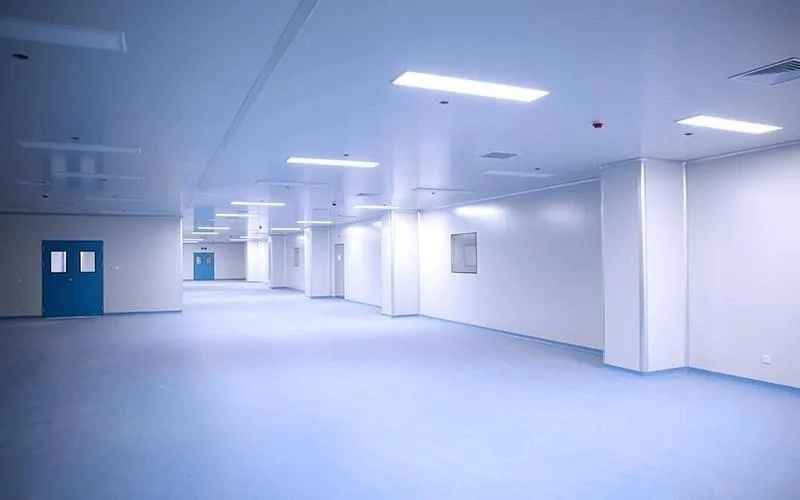
Electrical work inside a controlled production area must follow the cleanroom sequence, access requirements and contamination-control plan.
Most final-stage failures are not caused by a lack of electrical manpower. They happen because the electrical scope was not coordinated with the machine, cleanroom, utilities, installation window and commissioning requirements early enough.
The machine reaches the production floor, but the power point, isolator rating, cable route, termination method or connection position differs from the approved equipment requirement.
Real cost: delayed hook-up and missed tool installation windowA contractor installs according to one drawing without coordinating the ceiling grid, ACMV, process piping, exhaust route, access zone or equipment supplier.
Real cost: ceiling, wall and service routes must be opened and modified againCables may be terminated and energised, yet insulation resistance results, earth-continuity records, circuit identification, marked-up drawings or commissioning checklists are unavailable.
Real cost: slower acceptance, weak traceability and difficult future maintenanceLoad imbalance, grounding weaknesses, voltage variation, harmonics or switching conditions may only become visible when sensitive production equipment is started.
Real cost: nuisance alarms, unstable start-up and avoidable production risk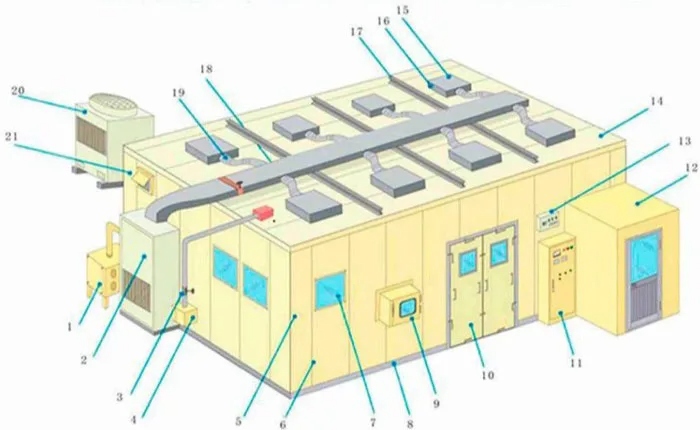
A semiconductor work area depends on coordinated electrical, filtration, airflow, structural and equipment interfaces.
The project team should also review demand, critical loads, expansion allowance, distribution route, protective devices, phase loading, isolation strategy and the effect of the new equipment on the existing facility.
Voltage, phase, full-load requirement, connection point, isolation location, cable entry, earthing and hook-up responsibility should be confirmed before the tool reaches site.
Electrical containment and cabling must follow contamination-control procedures, ceiling-space limits, cleanroom access rules and the installation sequence of other facility services.
The objective is to create a traceable path from scope review and distribution planning to machine connection, testing and documented handover.
Review the existing electrical capacity, available drawings, plant layout, tool requirement, work area, cleanroom constraints, utility interfaces and required production date.
Confirm the distribution board, circuit arrangement, containment route, isolation point, equipment connection boundary, access requirements and work sequence with other M&E trades.
Execute containment, industrial cabling, termination, earthing, bonding, equipment power points and related interfaces in accordance with the agreed cleanroom-protection and work-control plan.
Coordinate the final connection using the machine supplier's confirmed requirement, designated isolation point, labelling convention and installation window.
Complete the agreed pre-energisation and functional checks, identify defects, support commissioning activities and close outstanding electrical issues before production start.
Organise the agreed test records, labelling information, marked-up or as-built drawings, checklists and defect-closeout status for the facility and maintenance teams.
Machine hook-up should not begin with a technician asking where the cable should come from. Before tool move-in, the project team should know the source panel, supply characteristics, circuit protection, isolation location, cable route, connection boundary and approved energisation sequence.
JIULIAN publishes machine facilities hook-up capability covering electrical connections together with related process utility, cooling, HVAC, gas, vacuum and exhaust interfaces. This makes it possible to review the tool as one coordinated facility package rather than a collection of unrelated contractor scopes.
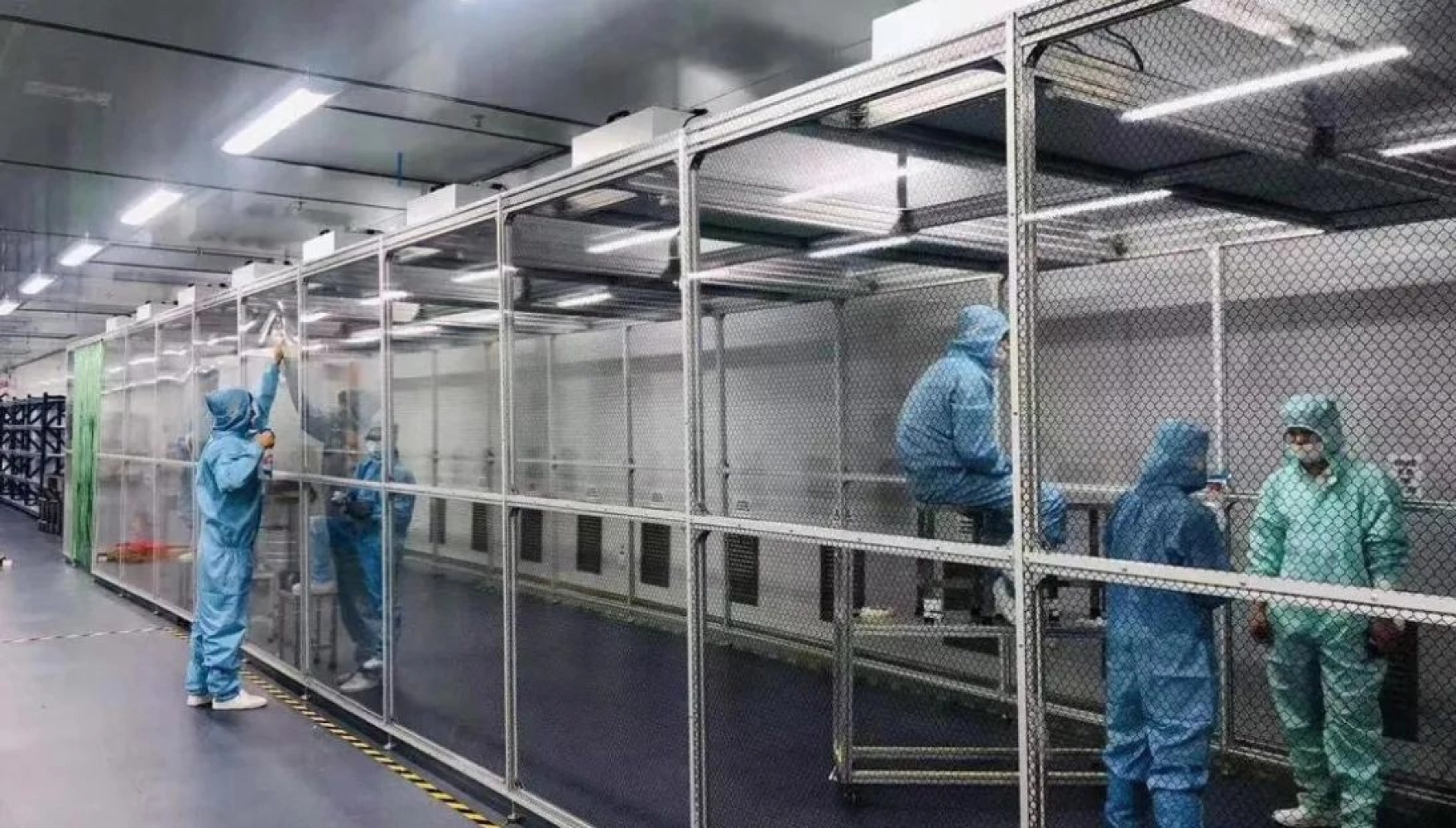
Tool installation must be coordinated with controlled-area access, equipment positioning and supporting facility services.
The value is not the activity itself. The value is a more predictable route to equipment installation, testing, acceptance and production start.
Confirm power interfaces before equipment arrival, reducing the risk of waiting for new cables, revised routes or relocated isolators during the tool installation window.
Use testing and pre-commissioning checks to uncover polarity, continuity, insulation, phase-sequence, labelling or connection issues before they interrupt start-up.
Coordinate electrical, cleanroom and process-utility requirements through one technical discussion, reducing gaps between independent contractor scopes.
The final scope should be confirmed against the site condition, approved drawings, equipment data, electrical authority requirements and project responsibility matrix.
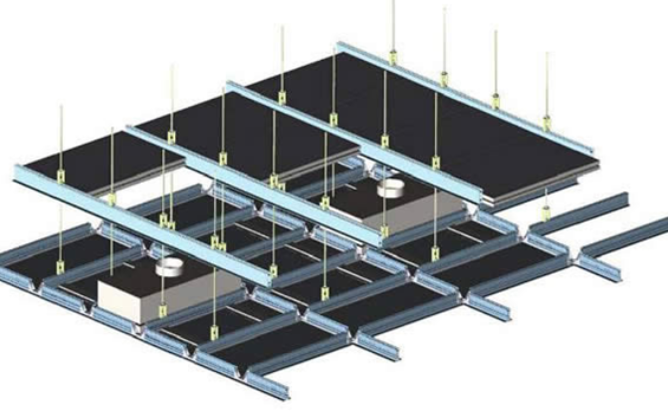
Cleanroom ceiling zones may contain FFUs, lighting, ductwork, sprinklers, process pipes, cable containment and structural supports. A route that looks acceptable on one discipline's drawing may obstruct access, maintenance or another critical system.
Early multidisciplinary coordination helps the project team resolve these conflicts before ceilings are closed or the production area enters a restricted installation phase.
Work inside an operating factory should be divided into clearly controlled preparation, shutdown, cutover, verification and release stages.
Confirm the affected circuits, isolation points, temporary arrangements, tools, materials, access permits, cleanroom protection and rollback response.
Follow an approved sequence, maintain clear communication, record completed checks and prevent unrelated scope changes from consuming the limited window.
Complete visual inspection, continuity, insulation, phase and labelling checks required by the agreed test plan.
Verify the affected system, close critical defects, restore protection controls and provide the status needed by facilities and production teams.

The difference is not simply whether the contractor can install a cable. It is whether the contractor can manage the installation as part of a controlled production-facility project.
| Comparison area | General industrial electrical approach | Semiconductor-focused JIULIAN approach |
|---|---|---|
| Project understanding | Install according to the issued electrical drawing. | Review the tool, cleanroom, utility, access and production constraints before site execution. |
| Interface management | Each contractor resolves its own trade scope. | Coordinate electrical, machine hook-up, cleanroom and related M&E interfaces. |
| Installation objective | Complete the installation and provide power. | Complete, test, document and prepare the system for commissioning and production use. |
| Operating-factory work | Resolve conflicts when they appear on site. | Plan the shutdown window, isolation, cutover, verification and release sequence in advance. |
| Handover | Confirm that the physical installation is complete. | Provide agreed test records, labels, drawing updates and defect-closeout visibility. |
| Primary risk | Rework, delayed energisation and unclear responsibility. | Reduce preventable interface gaps and commissioning-stage surprises. |
The exact handover package depends on the contracted scope and client requirements. However, the project team should agree on the required records before installation begins—not after the commissioning team asks for them.
Documentation gives facility teams a traceable record for acceptance, troubleshooting, future expansion and preventive maintenance.
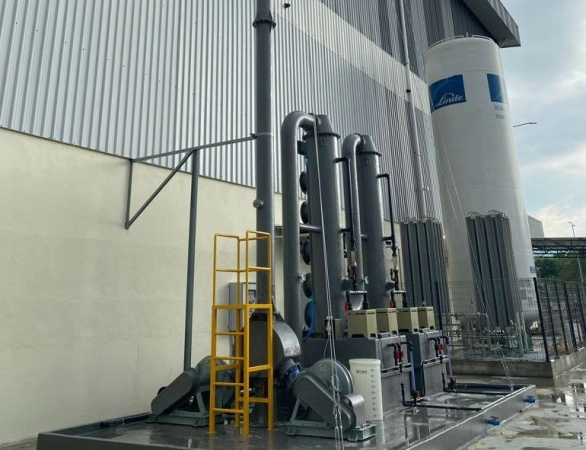
Electrical systems often interface with exhaust, cooling, gas and utility infrastructure that must be documented and coordinated.
A contractor's evidence should show how the team handles real site restrictions, technical interfaces, testing and handover—not only a list of services.
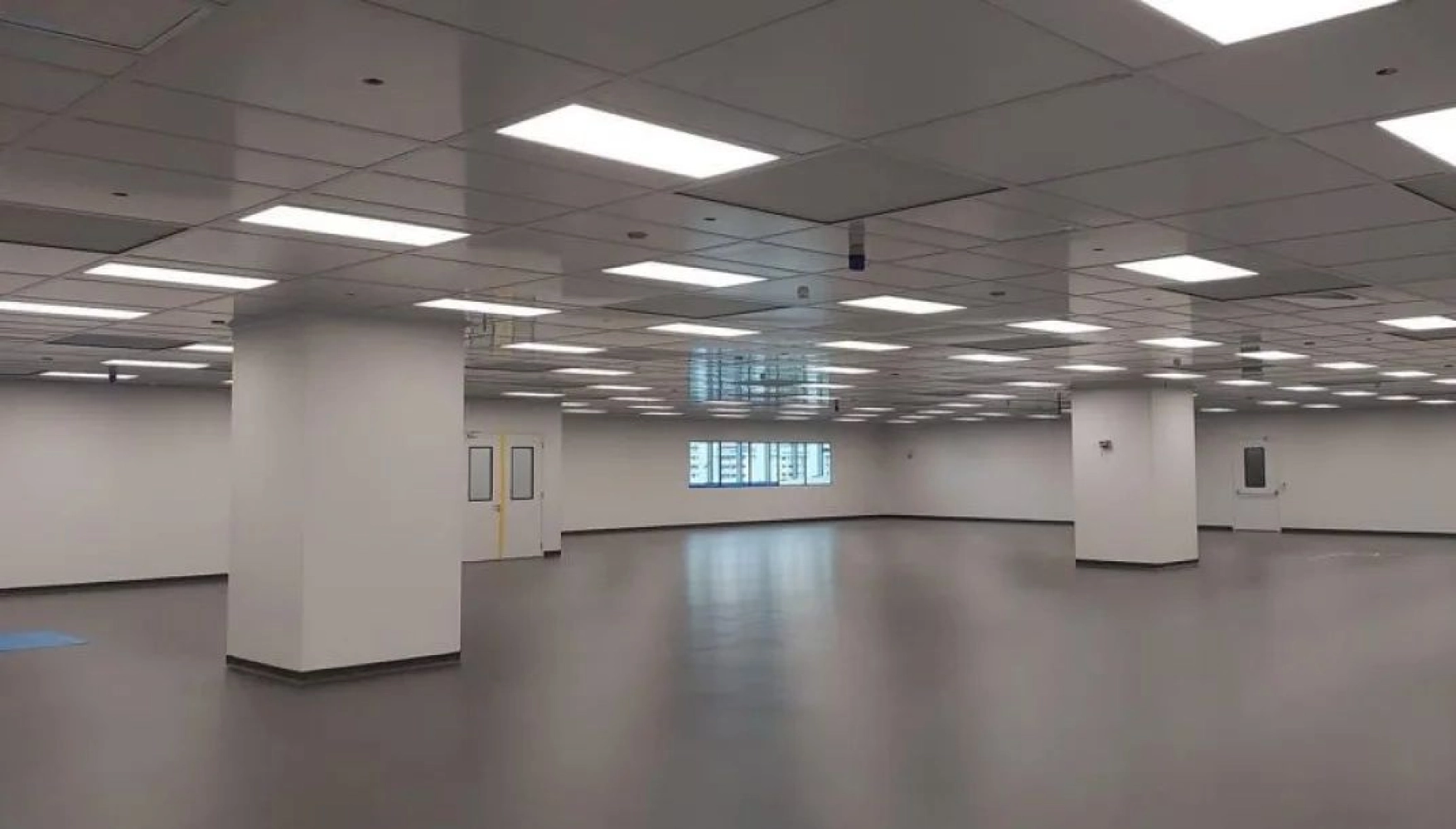
Review images and descriptions that demonstrate work inside controlled industrial or production areas.
Ask how the contractor handles protection, access, work permits, housekeeping and coordination around active equipment.
Check whether the team understands the boundary between the equipment supplier, electrical contractor and utility installer.
Request examples of coordination layouts, report indexes, checklists or redacted handover records that show how information is controlled.
You can also review JIULIAN's published engineering project portfolio when preparing your contractor shortlist.
Expansion and tool-installation projects may also require cleanroom modifications, airflow support, process utilities, HVAC, exhaust or facility testing. Reviewing these interfaces together can reduce scope omissions.
Start with a practical scope discussion. Share the available drawings, machine requirements, site condition and required work window so electrical, cleanroom and machine-interface gaps can be identified before the site programme is finalised.
Request an Electrical Scope Review Discuss the Project on WhatsApp
JIULIAN ELECTROMECHANICAL (MALAYSIA) TRADING SDN. BHD offers HVAC, cleanroom, electrical and civil engineering services in Selangor, Malaysia. Contact us for a quote today.
20-7, Menara Mutiara Sentral, No. 2, Jalan Desa Aman 1, Cheras Business Centre, 56000 Kuala Lumpur, Malaysia.
© 2025-2026 JIULIAN ELECTROMECHANICAL (MALAYSIA) TRADING SDN. BHD 202501041271 (1642680-P)