
Scrubber System Contractor Malaysia — For Industrial Exhaust, Chemical Fumes & Retrofit Projects
Chemical fumes, odour complaints, visible corrosion and unstable exhaust performance may indicate that the scrubber system is no longer matched to the actual process, airflow or factory condition. JIULIAN helps industrial facilities move from an unclear exhaust problem to an installable and maintainable site solution.
Your Exhaust System Is Running — But Is It Ready for the Next Audit, Expansion or Process Change?
A scrubber is only one component in an industrial exhaust system. Reliable performance also depends on the capture point, duct route, airflow, fan static pressure, chemical compatibility, controls, maintenance access and the actual conditions inside the facility. This page explains how JIULIAN assesses and coordinates those requirements for factories in Malaysia.
A Scrubber Problem Is Rarely Just a “Scrubber Problem”
When fumes, odour or corrosion continue after servicing, the underlying issue may sit outside the scrubber vessel itself. Facility managers and project engineers normally need the complete exhaust path reviewed before deciding what to repair or replace.
Your factory is expanding, but existing exhaust capacity is unclear
A new process or additional capture point changes the system demand. The existing duct size, fan capacity, pressure loss and scrubber contact area may no longer be suitable.
When these conditions are only discovered during installation, the project may require route changes, additional equipment or a revised shutdown plan.
Fumes, odour or corrosion keep returning after maintenance
Replacing packing, nozzles or chemical solution may temporarily improve operation, but it will not correct poor capture, duct leakage, uneven spray distribution or an incorrectly matched fan.
A root-cause review helps separate normal maintenance needs from a system design or integration issue.
Too many contractors are responsible for separate interfaces
The scrubber supplier, ducting installer, fan supplier and electrical contractor may each complete their own work while no party checks how the complete system will operate together.
This creates uncertainty over route clashes, electrical requirements, equipment bases, access openings and commissioning.
You need a practical quotation, not a low number that grows later
A useful quotation should reflect equipment position, access, material compatibility, duct route, fan duty, electrical scope, lifting requirements and the available shutdown window.
Without this information, important site work may only appear as variations after the purchase decision has been made.
The System Must Be Delivered as a Complete Site Solution
Procuring an industrial scrubber is not the same as buying an isolated tank or fan. The system must be matched to the pollutant, emission source, airflow, pressure loss, chemical treatment method, ductwork, electrical control and available factory space.
JIULIAN begins by identifying the process requirement and the existing site condition. The aim is to define an installation scope that can be fabricated, transported, installed, accessed and maintained under real operating constraints.
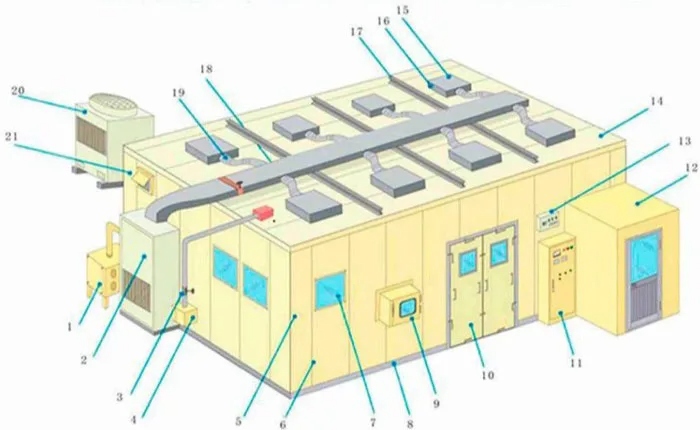
Exhaust treatment must be coordinated with airflow paths, facility layout and related M&E systems.
What JIULIAN Reviews Before Recommending the Scope
- Pollutant and chemical fume type: The gas, vapour, mist, particulate, odour source and chemical concentration affect the treatment method and construction material.
- Required airflow and capture point: Air must first be captured effectively at the process before it can be transported to the treatment system.
- Existing ducting and fan condition: Duct dimensions, leakage, elbows, pressure loss, fan condition and actual airflow influence total system performance.
- Material compatibility and corrosion risk: PP, PVC, FRP, stainless steel or other materials should be considered according to the chemical exposure and operating conditions.
- Available space, access and shutdown window: The design must account for delivery access, lifting, installation sequence, active production and planned downtime.
- Electrical, controls and maintenance access: Pumps, fans, dosing systems, level controls, panels and service areas must remain accessible after installation.
One Team From Site Assessment to Installation
JIULIAN coordinates the main design, fabrication and site interfaces so the proposal reflects the actual project—not only the scrubber equipment specification.
Site Review & Requirement Mapping
Review the emission source, process condition, existing equipment, airflow information, available layout, access, safety requirements and project objective.
Practical System Proposal
Define the proposed scrubber type and the related ducting, fan, mist eliminator, circulation, dosing, controls and retrofit requirements.
In-House Design & Fabrication
Coordinate drawings, material selection and fabrication through the internal project team to reduce repeated handovers and respond faster to approved changes.
Installation & M&E Coordination
Plan equipment positioning, duct connections, fan installation, electrical supply, controls, access works and coordination with other contractors.
Testing & Handover
Check the installed scope, operating sequence and major connections, then brief the relevant facility team on operation and routine inspection points.
Maintenance Planning
Identify likely servicing requirements for packing, nozzles, pumps, tanks, mist eliminators, fans, ducting and related components.
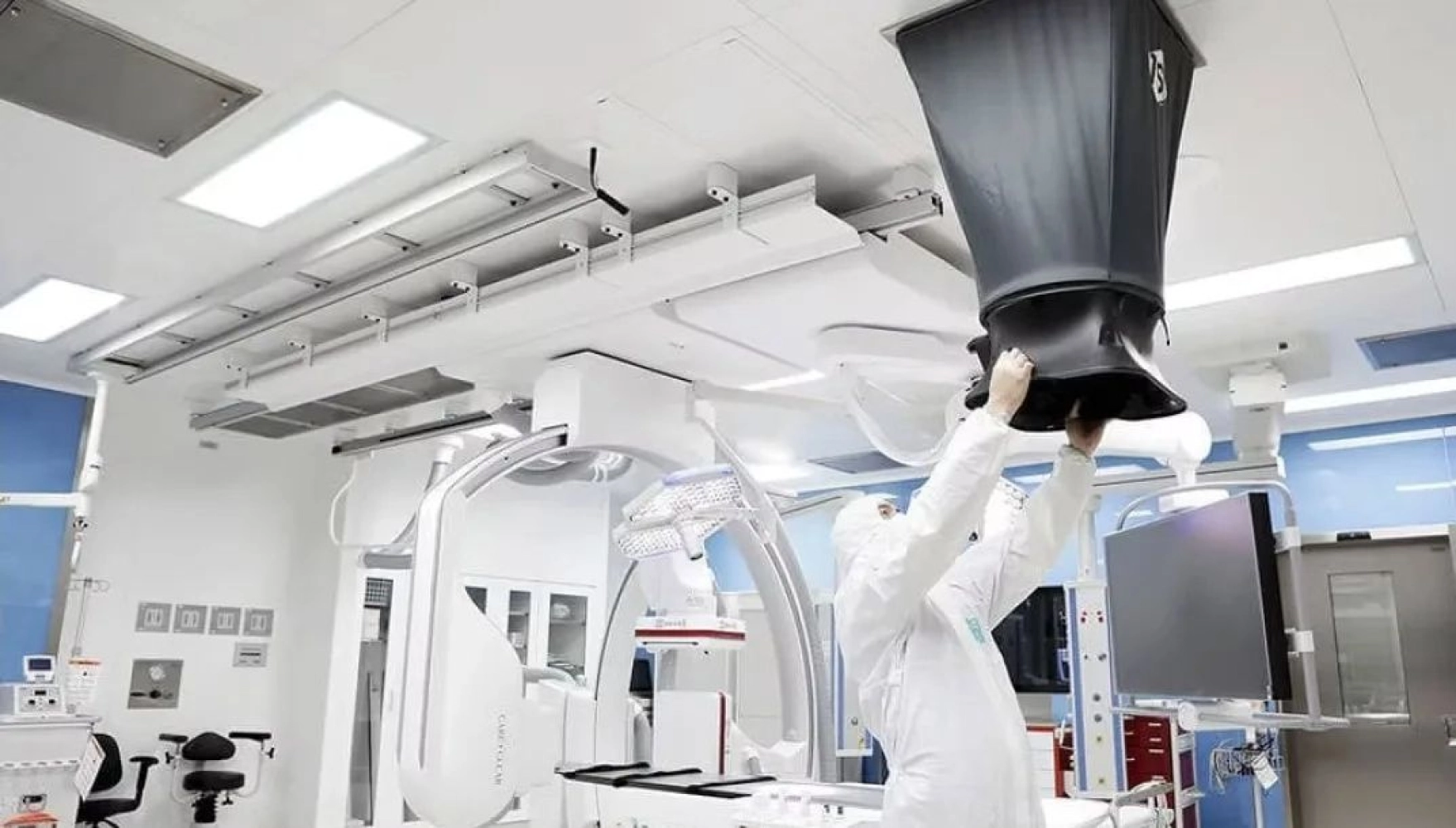
Site installation often requires coordination with existing equipment, ceiling services, access restrictions and production requirements.
Faster Decisions and Fewer Gaps Between Design, Fabrication and Site
In-house fabrication is valuable because it connects drawings, material decisions and installation feedback within the same project workflow. When a verified site condition requires an adjustment, the design and fabrication teams can discuss its impact directly.
- Fewer communication layers between the designer, fabricator and installer.
- Faster review of practical site changes after measurement or access confirmation.
- Better control over dimensions, connection points and agreed construction materials.
- Easier coordination of fabrication progress with the planned shutdown or installation window.
- Clearer ownership of major project interfaces.
This does not remove every possible site risk. It gives the client a more direct coordination route when drawings, fabrication and installation must be aligned.
Built for New Projects, Retrofit Works and Operational Recovery
The correct work scope depends on whether the facility is installing a new process, upgrading an existing exhaust system or recovering a scrubber that is no longer performing reliably.
New Scrubber System Installation
Suitable for a new factory, process expansion, additional chemical exhaust point or production line upgrade requiring a new treatment system.
- Site and process requirement review
- Scrubber layout and material consideration
- Ducting and industrial fan integration
- Pump, dosing, controls and electrical coordination
- Installation and handover planning
Scrubber Retrofit & Capacity Upgrade
Suitable when the process has changed, airflow demand has increased, corrosion is becoming serious or the current installation is difficult to maintain.
- Existing equipment and exhaust route review
- Capacity and pressure-loss consideration
- Replacement or modification planning
- Limited-access and active-site coordination
- Shutdown sequencing and tie-in planning
Ducting, Fan & Exhaust Integration
Suitable for clients who do not want the scrubber, exhaust ducting, fan and electrical interfaces handled as unrelated packages.
- Capture-point and duct-route coordination
- Fan position and duty consideration
- Equipment support and access requirements
- Electrical supply and control coordination
- Interface review with existing M&E services
Learn more about JIULIAN mechanical system services for ventilation, exhaust, ducting and related industrial works.
Scrubber Maintenance & Troubleshooting
Suitable when the system is operating but fumes, odour, corrosion, pressure or maintenance issues continue to appear.
- Packing and spray-nozzle inspection
- Mist eliminator and circulation-pump checks
- Tank, piping and duct condition review
- Fan and airflow-related observations
- Recommendation based on likely root cause
Can an Existing Scrubber Be Upgraded Without Stopping the Whole Facility?
Some retrofit work can be arranged within a controlled shutdown window, while other work may require a longer process stoppage. The answer depends on the exhaust arrangement, isolation points, access, safety requirements and whether temporary routing is practical.
JIULIAN reviews the existing layout before proposing the installation sequence. Important questions include:
- Can the affected process or exhaust branch be isolated?
- Is there enough space to pre-fabricate and install in sections?
- Can existing equipment remain safely in position?
- What lifting, scaffolding or access work is required?
- Which activities must occur during the shutdown window?
- Which activities can be completed before production stops?
A site assessment is normally required when drawings are incomplete or when the scrubber is located inside an active production area.
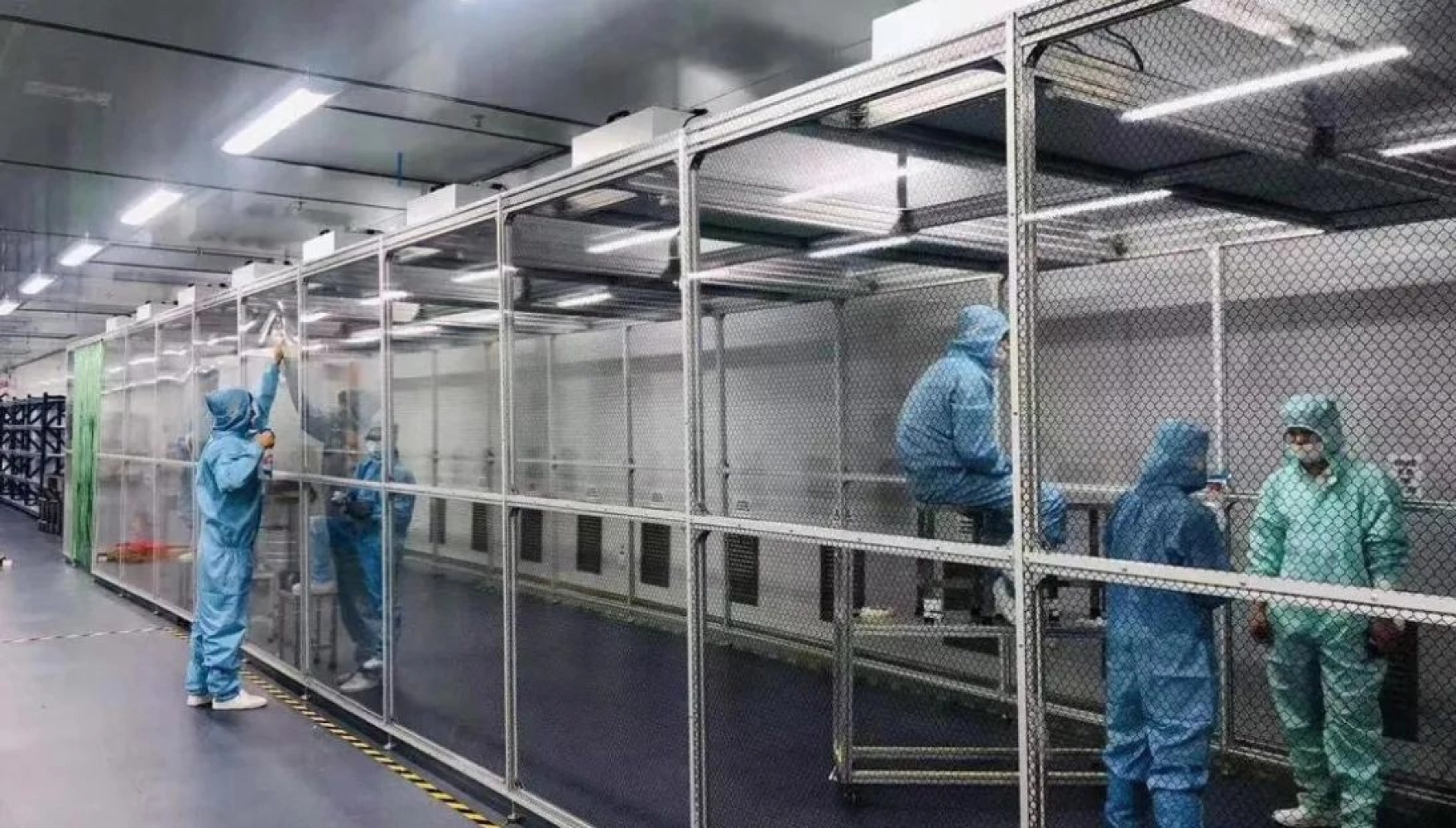
Retrofit work inside a production environment requires clear access, safety and shutdown coordination.
What Changes When the Scrubber Contractor Coordinates the Whole Site Scope?
An integrated approach gives procurement and engineering teams a clearer view of what is included before work begins. It also helps expose interfaces that may otherwise become variation orders or installation delays.
| Equipment-Only / Split Coordination | JIULIAN Project Approach |
|---|---|
| Scrubber equipment is reviewed separately from the site. | Scrubber position, ducting, fan, utilities, electrical interfaces and maintenance access are reviewed together. |
| Fabrication and installation teams exchange information through several parties. | Internal design and fabrication coordination reduces repeated handovers between key project functions. |
| A low initial price may exclude important access or tie-in work. | Site limitations and likely interface work are reviewed before the practical scope is finalised. |
| Maintenance clearance is considered after the equipment arrives. | Pump, nozzle, tank, packing, fan and access requirements are considered during layout planning. |
| Responsibility between suppliers may be unclear when performance issues occur. | One engineering team coordinates the major agreed delivery interfaces within the JIULIAN scope. |
| Timeline discussions focus mainly on equipment delivery. | Planning considers fabrication, delivery, lifting, installation, tie-in, electrical work and the shutdown window. |
Provided there are no unforeseen site conditions, JIULIAN plans and coordinates the work according to the agreed project scope and timeline. Actual completion depends on site readiness, approved drawings, material availability, access, safety requirements and coordination with other parties.
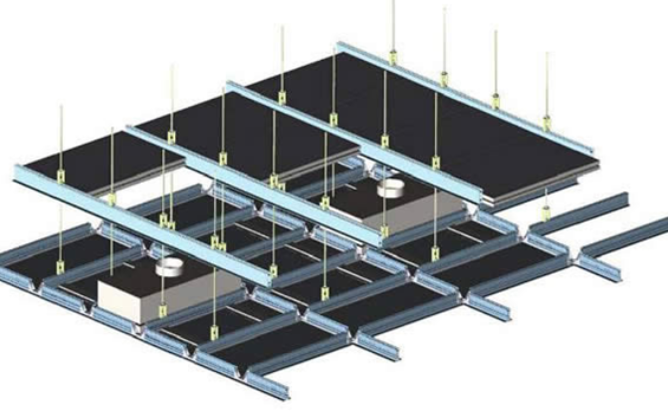
Exhaust routes must be coordinated with ceiling structures, services, maintenance access and other facility systems.
How Are Materials Selected for Corrosive Chemical Fumes?
Material selection should be based on the actual chemical, concentration, temperature, moisture content, operating condition and expected exposure—not only a general statement that the system is “chemical resistant.”
Important Selection Factors
- Type and concentration of acid, alkali or solvent vapour
- Gas temperature and possible process upset conditions
- Continuous, intermittent or emergency operation
- Compatibility of the body, duct, piping, pump and seals
- Outdoor exposure, UV, weather and structural support
- Fabrication method and joint construction
- Required inspection and replacement access
Depending on the application, the project may involve PP, PVC, FRP, stainless steel or a combination of materials. Final suitability should be confirmed against the process data and agreed design conditions.
What Information Helps JIULIAN Prepare a More Comparable Proposal?
Procurement teams receive more useful quotations when each contractor is pricing against the same process, site and interface information.
| Information to Prepare | Why It Matters |
|---|---|
| Site location and plant area | Helps review logistics, access, manpower, work permits and delivery requirements. |
| Industry and process description | Provides context for the emission source, production condition and operating risk. |
| Pollutant, chemical or fume type | Influences the proposed treatment method, materials and circulation requirements. |
| Airflow, duct size or capture-point information | Helps assess the likely system capacity, fan duty and pressure-loss considerations. |
| Existing drawings, layout and equipment details | Helps identify available space, connection points and possible route conflicts. |
| Site photos and access dimensions | Shows lifting, delivery, installation and maintenance limitations that may not appear on drawings. |
| Project type | State whether the enquiry is for a new installation, retrofit, capacity upgrade, relocation or maintenance. |
| Electrical supply and control requirements | Helps define pump, fan, panel, cabling, interlock and instrumentation interfaces. |
| Shutdown window and target completion date | Allows the work sequence and off-site fabrication plan to be discussed early. |
| Expected scope boundary | Clarifies whether ducting, fan, electrical, civil base, lifting, testing and removal works should be included. |
Show Buyers What Has Actually Been Delivered
The strongest scrubber project references explain the original problem, site limitations, JIULIAN scope and completed outcome without revealing confidential customer or process information.
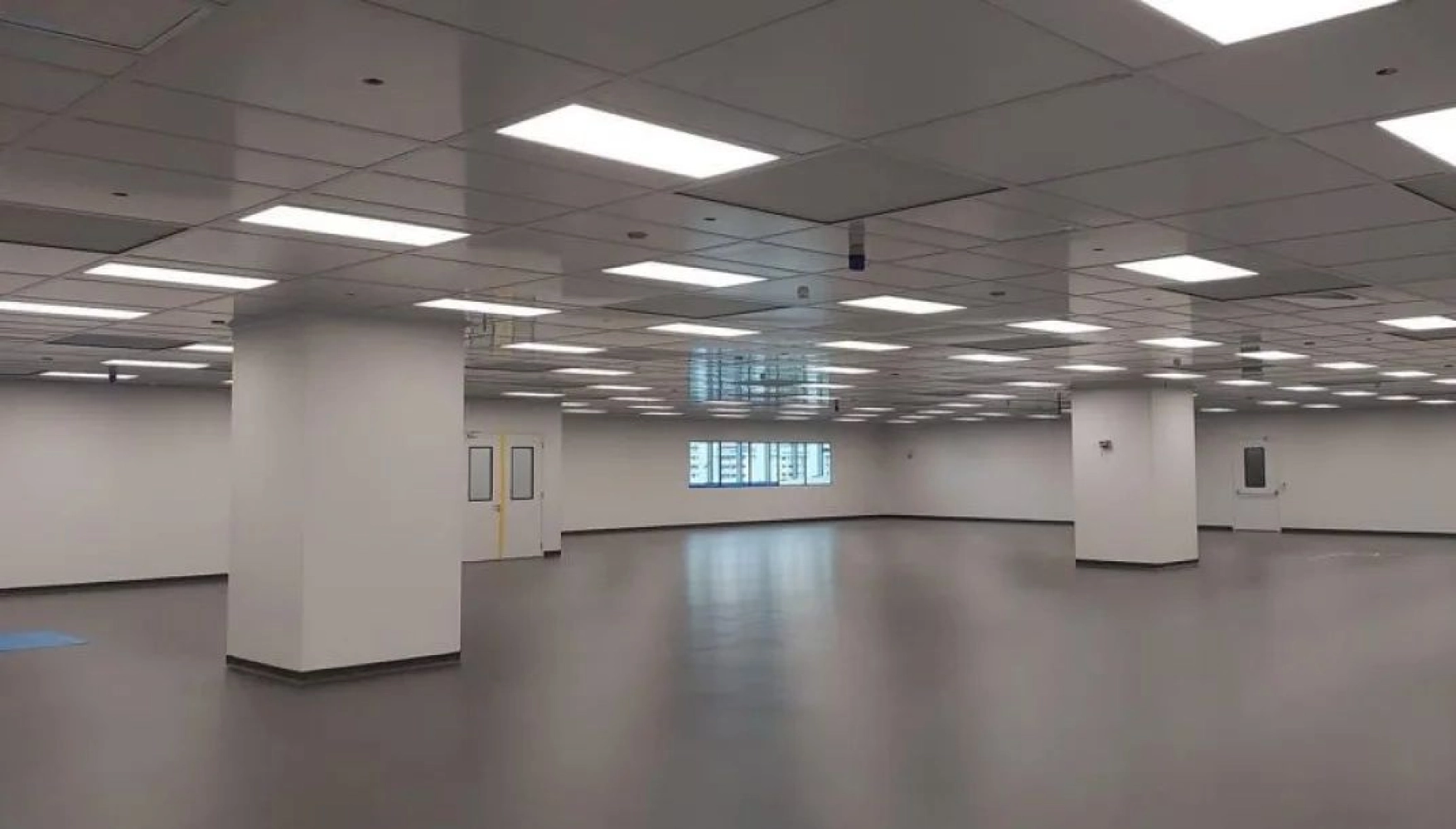
Chemical Processing Facility, Selangor
Challenge: Describe the verified fume, corrosion, capacity or maintenance issue.
Site limitation: State the actual space, access, shutdown or existing-system constraint.
JIULIAN scope: List the confirmed scrubber, ducting, fan, electrical or retrofit works.
Outcome: State only verified results such as installation completion, restored operation or improved maintenance access.
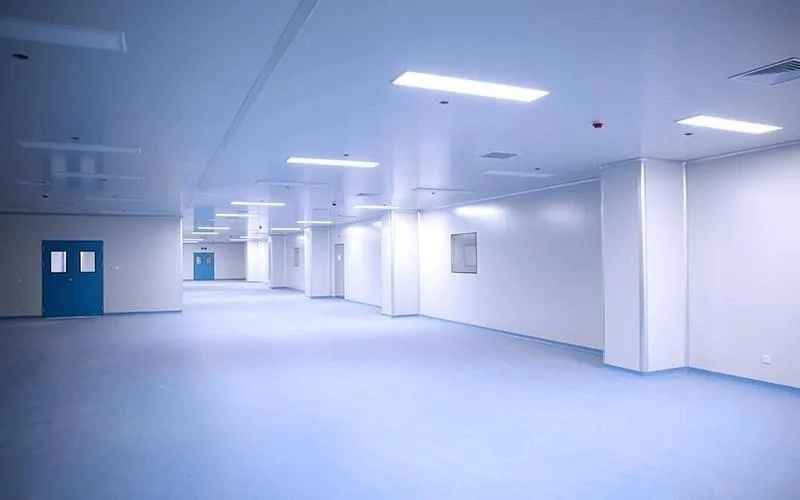
Manufacturing Expansion, Klang Valley
Challenge: Explain the verified process expansion or additional exhaust demand.
Site limitation: Describe existing ceiling services, production access or installation sequencing.
JIULIAN scope: State the confirmed design, fabrication, exhaust routing and integration work.
Outcome: State a factual handover result without inventing removal efficiency or compliance data.
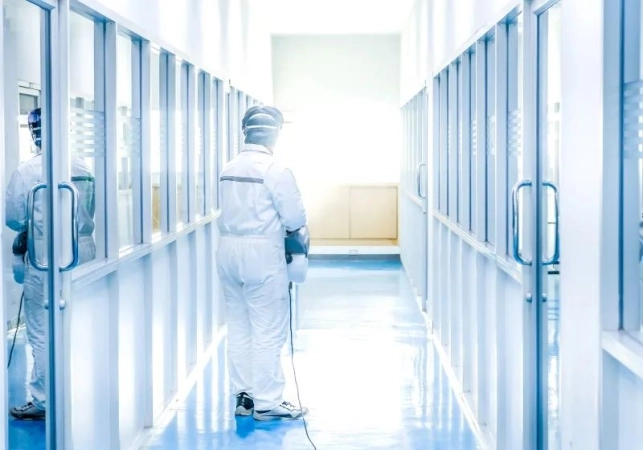
Semiconductor-Support Facility, Malaysia
Challenge: Describe the actual exhaust, corrosive fume or facility-upgrade requirement.
Site limitation: Explain clean-area access, operating-hour or M&E coordination requirements.
JIULIAN scope: List verified scrubber, mechanical, electrical and facility support works.
Outcome: Use verified completion, commissioning or accessibility information only.
JIULIAN also supports multi-discipline industrial projects. Review the semiconductor facilities contractor service for cleanroom, scrubber, electrical and M&E facility coordination.
Scrubber Projects Often Depend on Other Facility Systems
Industrial exhaust work may affect utilities, cleanroom pressure, equipment hook-up, electrical routes and other M&E services. These related JIULIAN resources can help the project team define the complete scope.
A Practical Scrubber Contractor for Integrated Industrial Projects
JIULIAN is suitable for projects where the scrubber must be planned together with the actual factory layout, exhaust route, fan, electrical connection and installation conditions.
- One team can review scrubber, ducting, fan, electrical and related M&E requirements.
- In-house design and fabrication help reduce gaps between approved drawings and site installation.
- Scope can be discussed for new installation, retrofit, maintenance or operational recovery.
- Practical planning for active factories, restricted access and limited shutdown windows.
- Suitable for chemical, manufacturing, semiconductor-support, wastewater and other industrial environments.
- Quotation discussion based on available process information, site conditions and agreed scope boundaries.
JIULIAN supports industrial enquiries across Selangor, Klang Valley, KL, Klang and Sendayan. Other Malaysian project locations can be reviewed based on the site, logistics and required work scope.
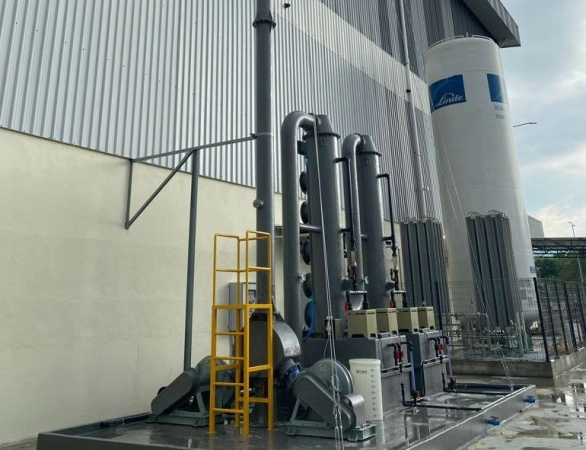
Industrial scrubber, fan, piping, ducting and site-access requirements should be treated as one coordinated installation.
Scrubber System Contractor Malaysia FAQ
Direct answers to common questions from facility managers, project engineers and procurement teams.
Get a Scrubber Scope That Fits Your Process and Factory
Share your process, fume type, existing drawings or site photos. The JIULIAN engineering team can help identify the likely scrubber, ducting, fan, electrical and retrofit scope before you commit to an unsuitable installation.
Useful Details to Send
- Company and project location
- Industry and process
- Pollutant or chemical fume type
- New installation, retrofit or repair
- Expected project timing
- Available site photos or drawings
In summary,
choosing a scrubber system contractor in Malaysia is not only about selecting wet or dry equipment. The system must fit the pollutant, airflow, duct route, fan, electrical controls, available space and maintenance requirements. JIULIAN coordinates site assessment, practical design, in-house fabrication, installation and related M&E interfaces to help industrial clients move from an exhaust problem to a workable project scope.